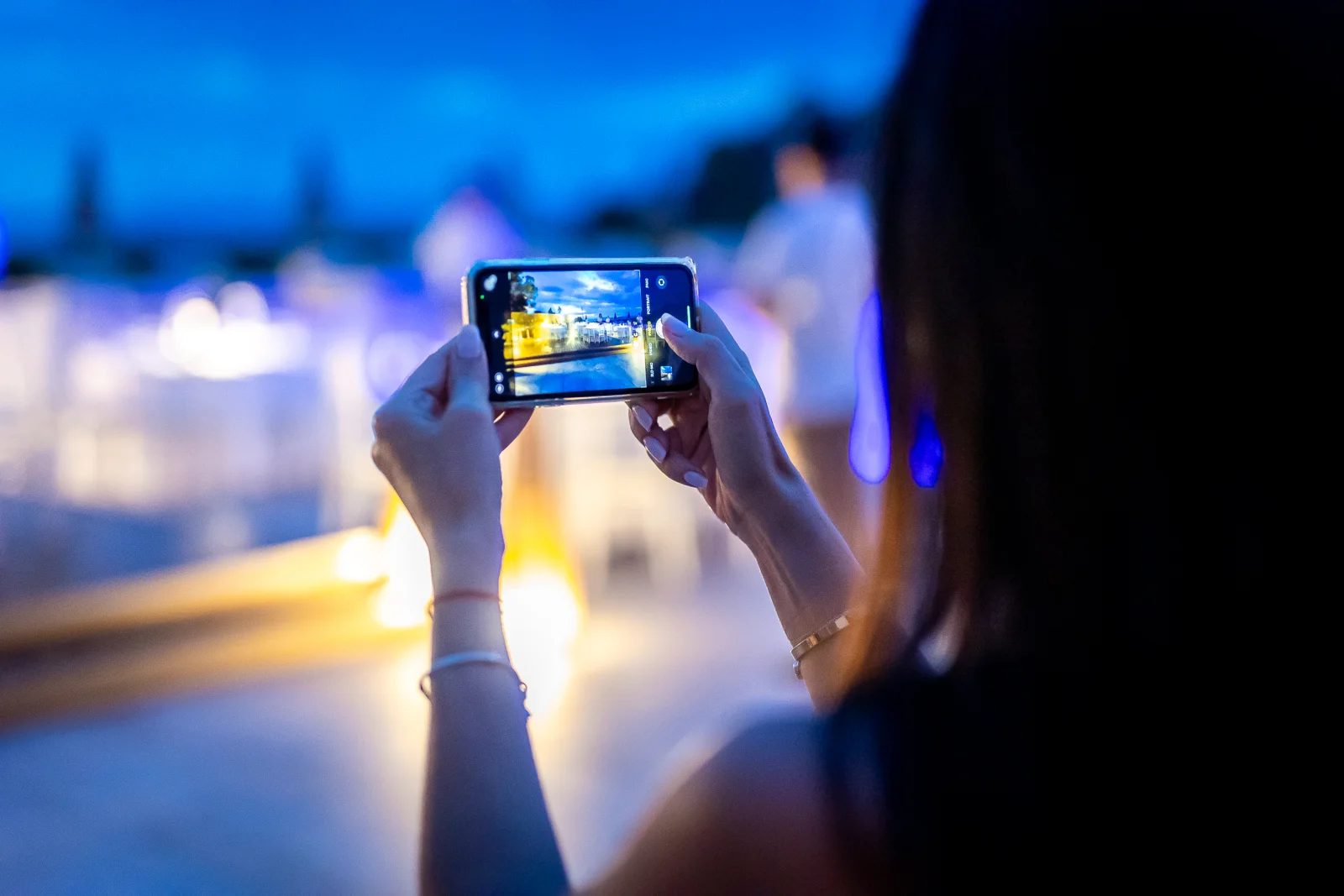
This is exactly the kind of situation that can be avoided with a little planning before the event. A photography brief doesn't need to list every possible picture. A short conversation about what happens when, where the photographer can stand and who will give them a signal is usually far more useful.
Start with the pictures somebody will actually need
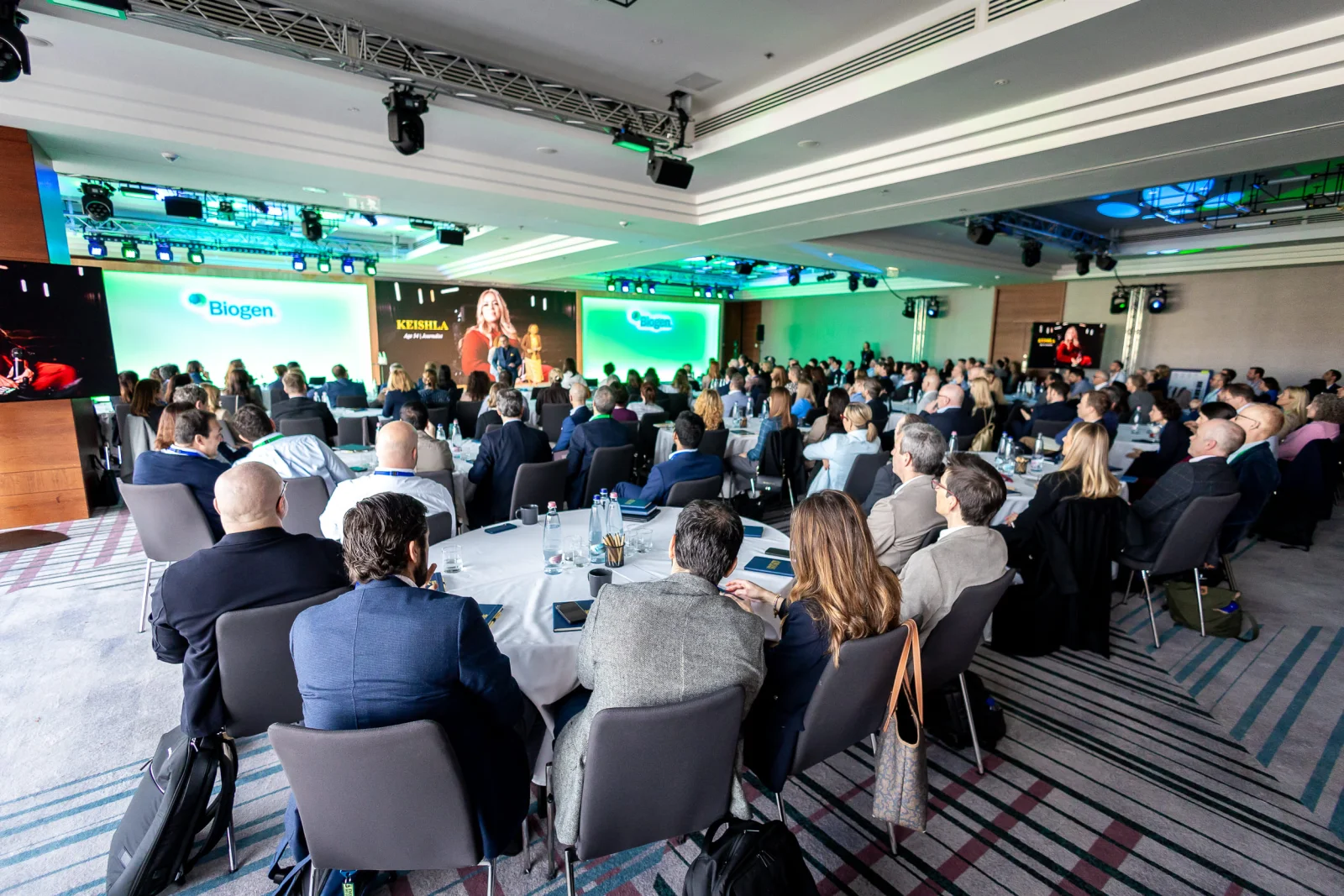
Start by asking the client what they'll do with the photos the next morning. If there's a conference recap going out at nine, agree which pictures should be ready for it. That might mean a wide view of the opening session, a recognisable shot of the keynote speaker and a few pictures of delegates in conversation. The sponsor might need something else entirely, such as a frame where its branding is legible and people are present.
These priorities should be included in the same schedule the event team is using. It's helpful for the photographer to know which session contains a particular moment, rather than just receiving a list of people to photograph. If the regional director will only be in the room for the opening remarks, that changes where the photographer should start the day.
Put the venue change on the photography schedule
Imagine a conference in a hotel on the Pest side and a dinner across the river. The main programme might say that guests leave at six and the reception begins at half past. For the photographer, there's another decision between those lines. Should they stay for the last exchanges after the conference, or arrive at the dinner venue in time to photograph the room before guests come in?
A room only stays untouched until the first person puts a coat on a chair. If the table settings and lighting are part of what the client wants documented, make sure the photographer has a few minutes in the room before the doors open. The local event team should also provide information about the quickest entrance and how equipment can be brought in. If coverage at both venues matters and the timings overlap, bringing in a second photographer may be the best solution.
Keep some time for what happens between sessions
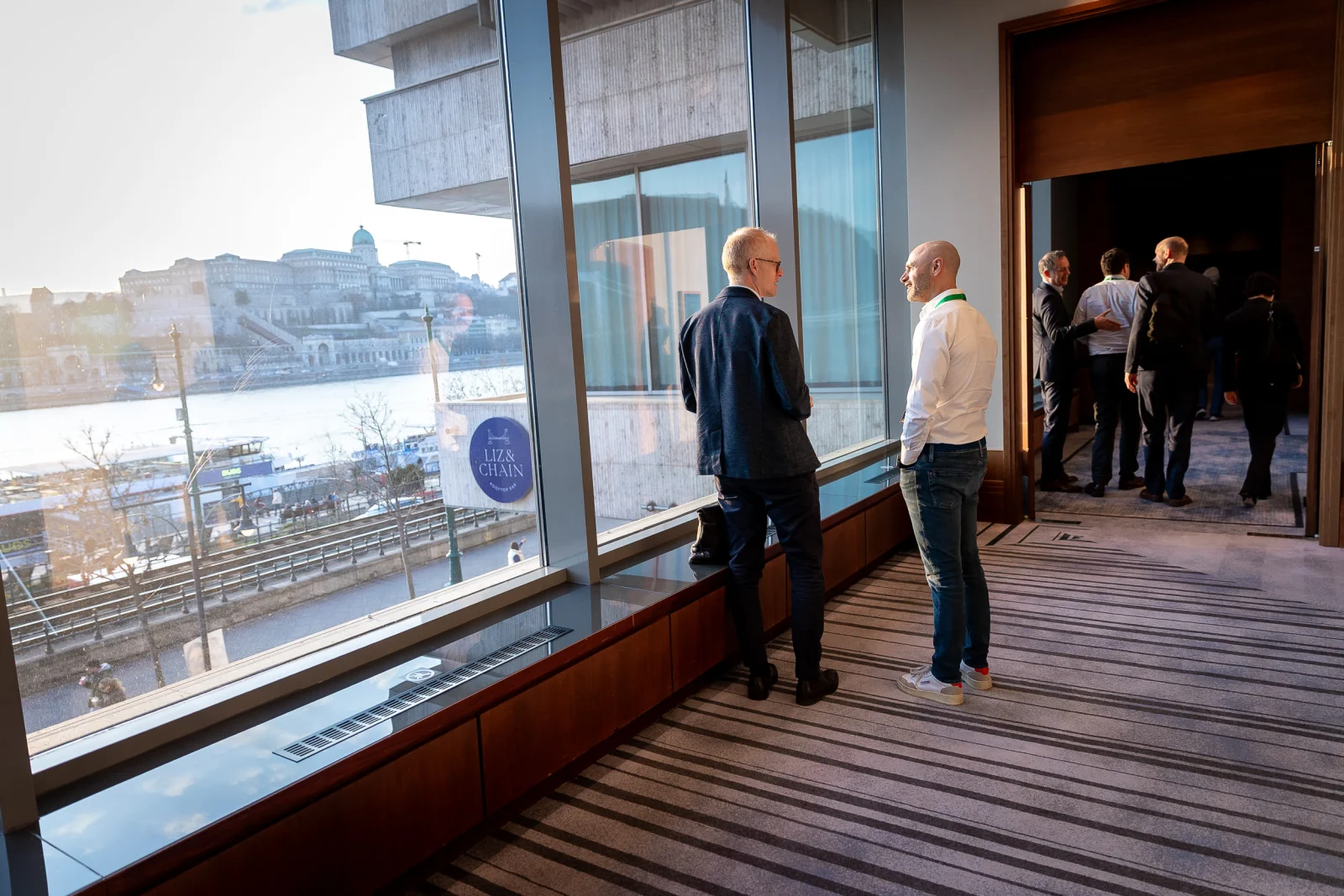
At a Budapest conference, with a coffee break area overlooking the Danube, a photograph of two guests talking by the window can show both where they are and what they're doing there. A separate skyline shot would tell only half of that story.
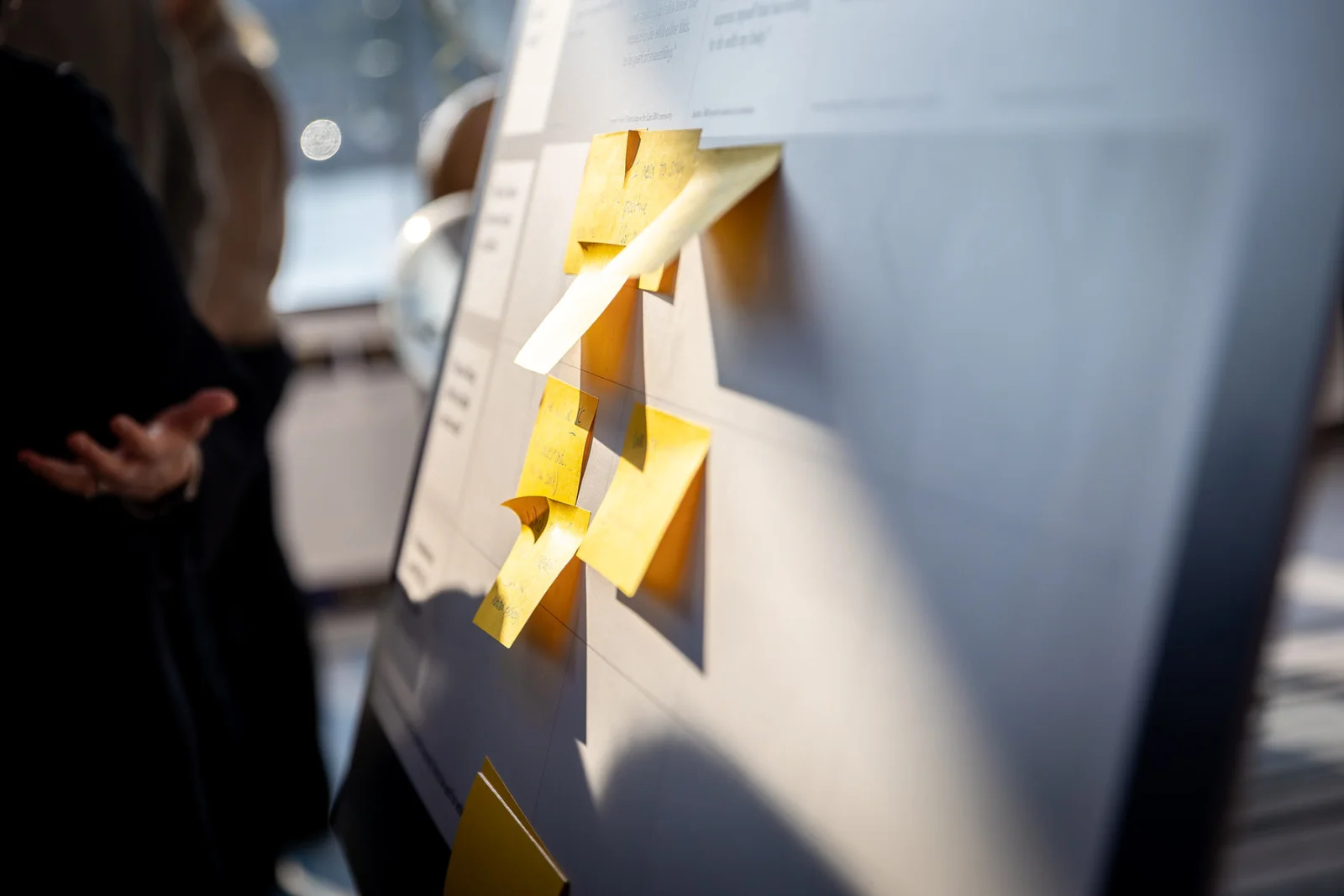
Coffee breaks and workshops can provide pictures that the main stage can't. These might capture a spontaneous conversation or a small detail that makes the workshop recognisable, such as a wall of notes catching the light. If certain delegates should appear in the gallery and there's a good opportunity to photograph them during a break, let the photographer know where they'll be. This avoids having to interrupt conversations or pull people away from the programme later.
Walk through the awards with the stage manager
Before dinner, the photographer should know where the winners will enter, where they'll receive their awards and whether they'll pause for a group photo. Ideally, the photographer and stage manager should agree on the best position before guests sit down.
It's also important to check the lighting that will actually be used during the ceremony. A room can look one way during setup and quite different once the screen is on and the house lights go down.
If several people are receiving awards, share the running order with the photographer and communicate any last-minute changes through one point of contact. This helps the photographer stay in the right place and be ready for each name. It also leaves time to capture the reactions of colleagues applauding at the tables.
Agree on the first delivery before the event starts
If the client needs an evening highlight or a handful of photos the next morning, agree in advance who will receive them, what they'll be used for and when they're due. The photographer can prepare a more suitable first selection when it's clear whether the images are intended for a press release, a social media post or an internal recap.
The full gallery should tell the story of the event, even to someone who wasn't there. It should show how the day moved from the meeting room to dinner, capturing the people, places and memorable moments along the way.
And much of that comes down to one simple thing: a well-planned schedule that makes room for the photographs that really matter.
A big thank you to Attila Őzse for writing this article and sharing these useful tips and insights with us!
Attila Őzse is a Budapest-based event photographer covering international conferences, corporate events and incentive programmes. Event photography in Budapest.